
What to Expect During the Fire Restoration Process
People seeking fire restoration often want to understand the process of cleaning, repairing, and restoring their property, and local contractors can expertly handle these steps.
Understanding what to expect during the fire restoration process can help property owners feel more prepared and confident during a challenging time. After a fire, the aftermath can be overwhelming, but knowing the typical steps involved-such as assessment, debris removal, cleaning, and repair-can make the journey more manageable. Local contractors who specialize in fire restoration are equipped to guide property owners through each phase, ensuring that the process is handled efficiently and thoroughly. Exploring this topic is particularly practical for those who want to understand how professionals restore safety and comfort to fire-damaged properties.
For property owners in the area considering fire restoration services, gaining insight into what the process entails can clarify the scope of work involved and set realistic expectations. Local service providers are experienced in managing the complexities of fire damage, from soot cleanup to structural repairs. Keeping informed about these stages can also help property owners make informed decisions about their restoration needs. Continuing to read can provide valuable knowledge about how local pros approach fire restoration, helping individuals feel more confident in finding the right support for their property.
- Structural assessment - when fire damage has compromised the integrity of a building, local contractors evaluate the extent of structural harm to determine necessary repairs.
- Soot and smoke cleanup - after a fire, service providers focus on removing soot and smoke residues to improve indoor air quality and prevent further damage.
- Odor removal - persistent smoke odors may require specialized treatments, with local pros applying techniques to neutralize odors effectively.
- Water damage mitigation - if water was used to extinguish the fire, professionals address water intrusion to prevent mold and further deterioration.
- Content restoration - damaged personal belongings are carefully cleaned and restored by local service providers to salvage valuables whenever possible.
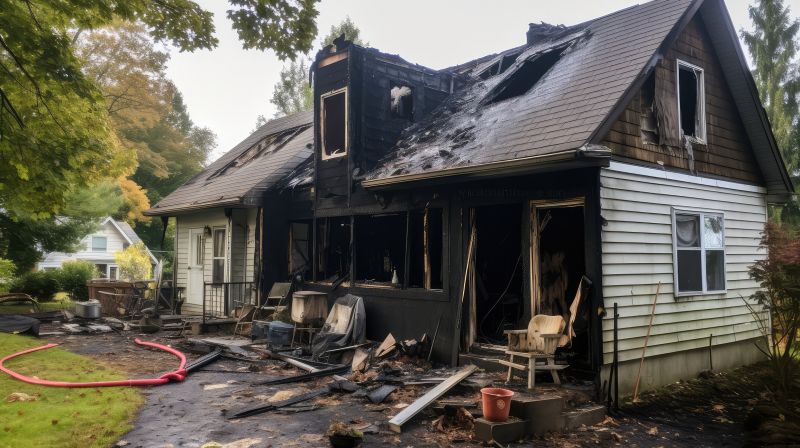
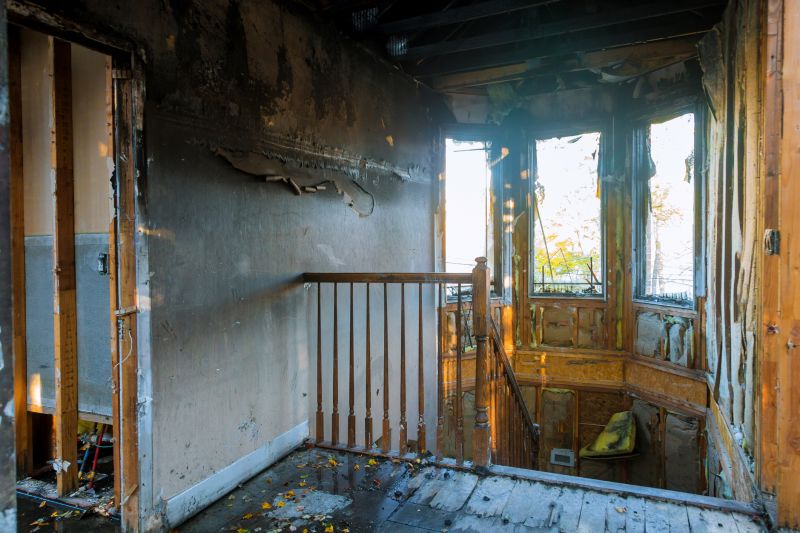
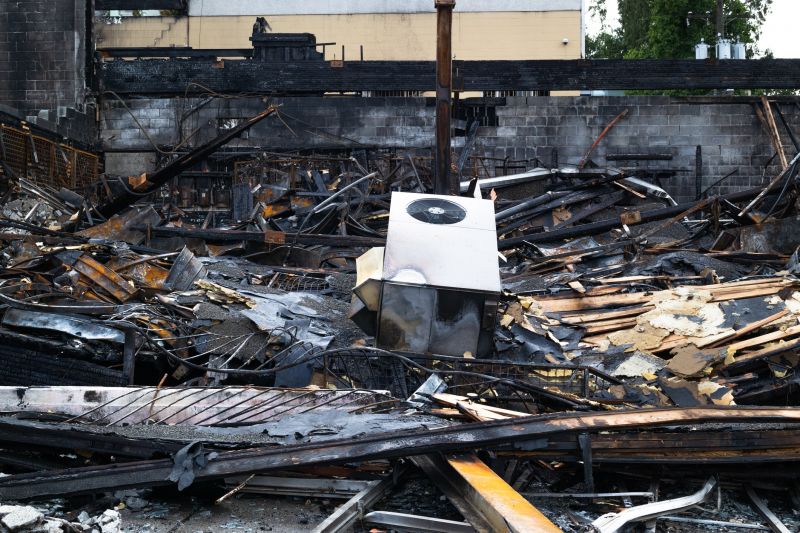
Understanding what to expect during the fire restoration process can help homeowners better prepare for the steps involved after a fire incident. When people search for this topic, they are often looking for a clear overview of how professionals handle the cleanup and repair of fire-damaged properties. This includes what kinds of damage are addressed, the typical sequence of restoration activities, and how the process aims to return a property to its pre-fire condition. Many are seeking reassurance that experienced service providers will manage the difficult tasks, such as removing soot, cleaning contaminated surfaces, and repairing structural damage, to ensure safety and restore the home’s appearance and functionality.
The fire restoration process is closely related to problems like smoke damage, soot deposits, structural compromise, and water damage caused by firefighting efforts. Homeowners may also be planning for repairs to walls, ceilings, floors, and electrical systems affected by heat and flames. The goal of fire restoration is to address these issues comprehensively, often involving multiple phases such as debris removal, cleaning, odor removal, and repairs. Service providers play a crucial role in assessing the extent of damage, developing a plan to restore the property, and executing the necessary work efficiently. Understanding these connections helps homeowners see how fire restoration fits into broader recovery and rebuilding plans after a fire.
Typically, fire damage affects a variety of property types, including single-family homes, multi-family residences, and commercial buildings. Residential properties often experience extensive soot and smoke damage, while commercial properties might face additional challenges related to business interruption. Fire restoration professionals regularly work on properties with different construction styles, from traditional wood-frame houses to apartment complexes and retail spaces. Each property type presents unique challenges, but the core restoration activities-such as cleaning, deodorizing, and structural repairs-are similar. Recognizing the types of properties involved helps homeowners understand what specific issues might arise and how local service providers tailor their approach to meet these needs effectively.
Throughout the fire restoration process, homeowners can generally expect a series of coordinated steps managed by experienced service providers. Initially, a thorough assessment is conducted to determine the damage scope. This is followed by debris removal and soot cleaning, which involve specialized techniques to prevent further contamination. Odor removal and surface cleaning help restore a healthier indoor environment, while repairs focus on restoring structural integrity and safety. Throughout each phase, local pros use proven methods and equipment to minimize disruption and ensure thoroughness. Knowing what to expect during the fire restoration process can alleviate uncertainty, giving homeowners confidence that trained professionals are handling each aspect of recovery with care and expertise.
Smoke Damage Cleaning - professionals specializing in smoke damage cleaning use similar cleaning techniques and odor removal methods as those involved in fire restoration to eliminate residual smoke odors and stains.
Structural Damage Assessment - assessing and repairing structural damage caused by fire requires planning and tools comparable to those used during fire restoration to ensure safety and stability.
Contents Restoration - restoring personal belongings affected by fire involves cleaning, deodorizing, and repairing techniques akin to those used in fire damage mitigation.
Mold Remediation - mold remediation shares skills in moisture control and surface cleaning with fire restoration, especially after water used in firefighting efforts.
Water Damage Restoration - handling water damage from firefighting involves similar drying, cleaning, and repair processes as those in fire restoration projects.
Home Demolition & Debris Removal - removing damaged materials and debris during fire restoration aligns with the skills used in demolition and debris clearance projects.
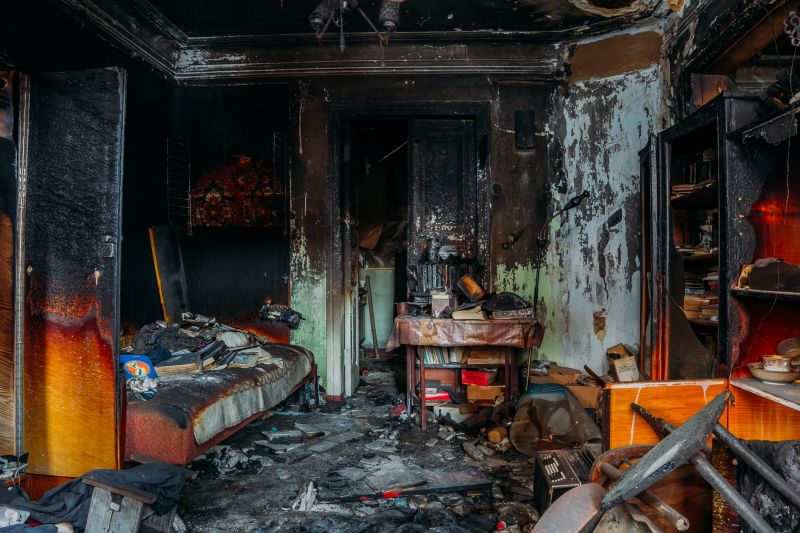
When comparing fire restoration service providers, it is important to consider their experience with similar projects. Homeowners should look for local contractors who have a proven track record of handling fire damage restoration, as this indicates familiarity with the specific challenges and necessary procedures involved. A contractor's history of successful projects can provide reassurance that they understand the process and are equipped to manage the unique aspects of fire damage cleanup, including soot removal, structural repairs, and odor mitigation.
Clear written expectations are essential when evaluating fire restoration services. Reputable service providers should be able to provide detailed estimates and scope of work that outline what the restoration process will entail. This transparency helps homeowners understand what to expect during the fire restoration process and ensures there are no surprises along the way. Well-documented plans also facilitate effective communication, enabling homeowners to stay informed about progress and any adjustments that may be necessary throughout the project.
Reputable references and strong communication skills are key factors in selecting a reliable local contractor. Homeowners should seek out service providers with positive references from previous clients who can attest to their professionalism and quality of work. Good communication involves timely responses to questions, clear explanations of the restoration steps, and ongoing updates about the project status. This level of engagement helps create a smoother restoration experience and fosters confidence that the fire damage will be addressed thoroughly and efficiently.
Property owners often search for what to expect during the fire restoration process when they are planning practical projects around their homes and businesses. Local pros provide Fire Restoration services for everyday jobs and straightforward project options.
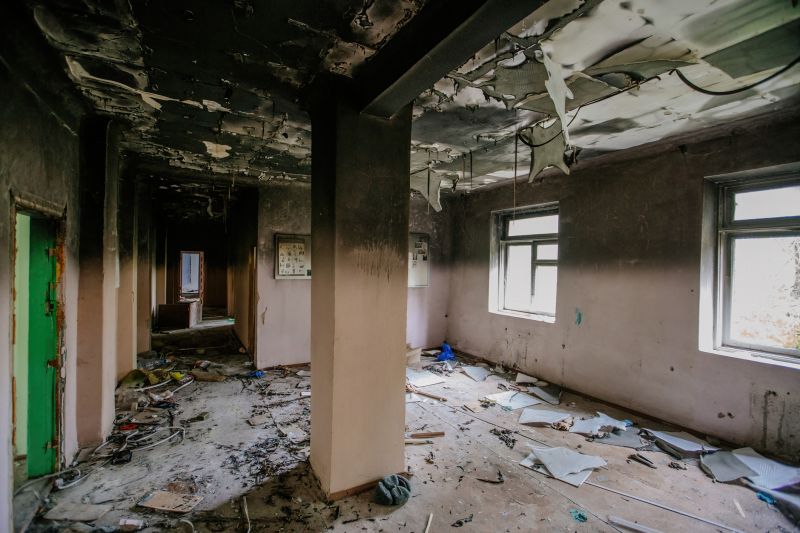
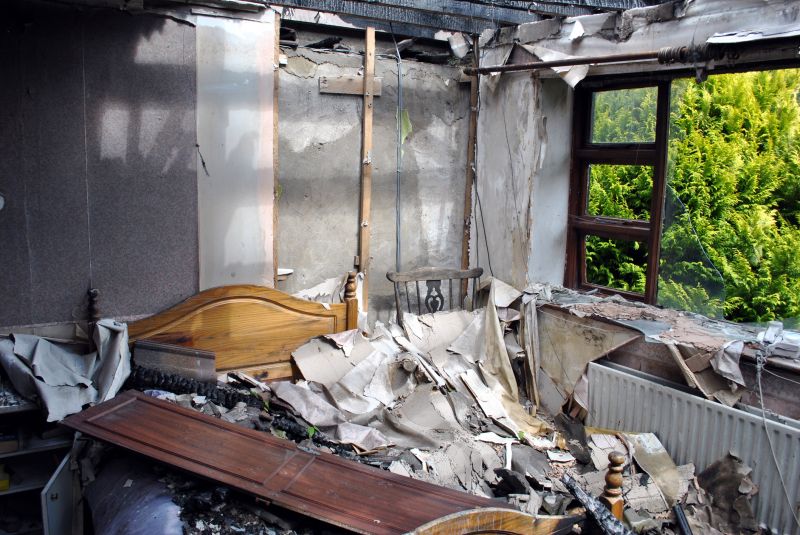
During the fire restoration process, property owners can typically expect a series of organized steps aimed at restoring safety and salvaging belongings. After the initial assessment, local contractors often begin with debris removal and soot cleaning, which helps to clear away damaged materials and reduce lingering odors. This stage can involve both cleaning surfaces and removing charred debris, making the space safer and more manageable as work progresses. Homeowners might notice that restoration teams work systematically to evaluate structural integrity, address smoke damage, and start the process of repairing or replacing affected areas, providing a clearer picture of what the space will look like once the work is complete.
Understanding what to expect during the fire restoration process can help property owners feel more prepared for the work ahead. During restoration, local service providers often coordinate efforts to mitigate further damage, such as sealing surfaces to prevent smoke odors from penetrating deeper into materials. They also work to restore the property’s appearance and safety, which may include repainting, replacing flooring, or repairing walls. Throughout the process, property owners can generally expect clear communication from the contractors about the progress and what steps will follow, helping to make the experience less overwhelming while ensuring the property is properly restored.
What are the initial steps during fire restoration? Local contractors typically begin with an assessment of the fire damage, followed by securing the property and removing debris to prepare for cleanup and repairs.
How do professionals handle smoke and soot removal? Service providers use specialized cleaning techniques and equipment to eliminate smoke odors and soot residues from surfaces, ensuring a thorough cleanup.
What types of repairs are involved in fire restoration? Fire restoration services often include repairing or replacing damaged structural elements, electrical systems, and damaged belongings to restore safety and functionality.
What can I expect during the cleaning process? Local contractors perform detailed cleaning of affected areas, including carpets, walls, and ventilation systems, to remove residues and improve indoor air quality.
How is water damage addressed during fire restoration? Fire restoration professionals manage water extraction and drying to prevent mold growth and further property deterioration caused by firefighting efforts.
Initial assessment and inspection - Local contractors will evaluate the extent of fire damage and identify areas needing cleaning, repair, or replacement to guide the restoration process.
Content cleaning and deodorization - Professionals use specialized methods to remove smoke odors and soot from surfaces, helping to restore a fresh indoor environment.
Structural repairs and rebuilding - Restoration services may include repairing or replacing damaged framing, drywall, flooring, and other structural elements affected by the fire.
Final cleaning and restoration - After repairs, experts perform thorough cleaning to ensure the property is safe and ready for occupancy, addressing any remaining residues or odors.
If you are thinking about what to expect during the fire restoration process for a property, this guide is meant to help you understand this topic, the typical project types, and how different options might fit your plans.
When you are ready, you can use the quote form on this page to share a few details about your project. From there, local pros can review the basics and follow up with options that match what you have in mind.